Custom temperature sensors are widely used in industrial equipment, home appliances, automotive systems, HVAC equipment, medical devices, and electronic products. For OEM manufacturers, selecting the right sensor involves more than choosing a temperature range or resistance value.
-
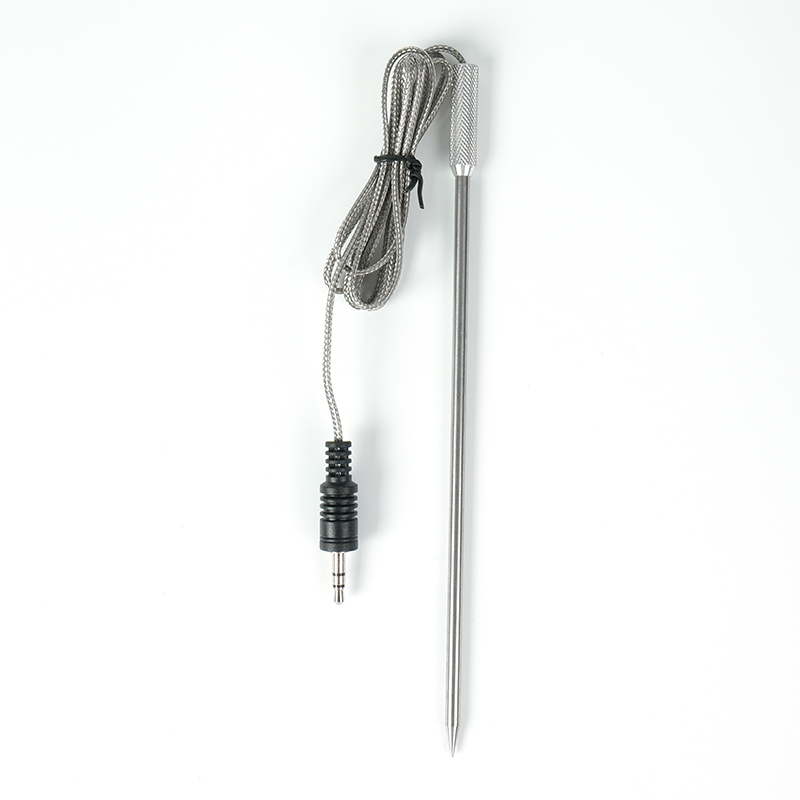 24Oct,2026Custom Temperature Sensors: OEM Specification Guide
-
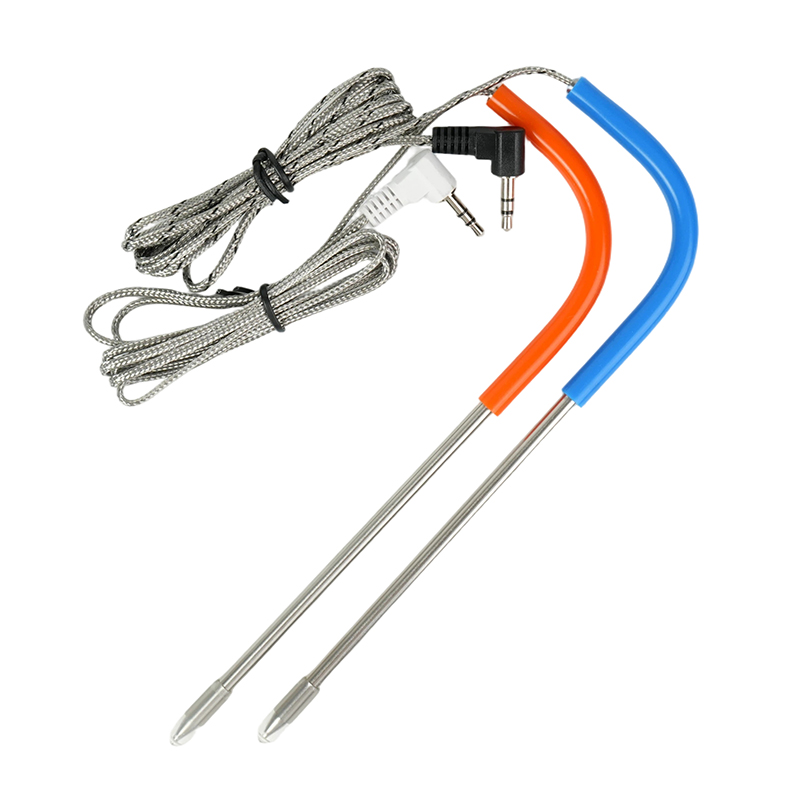 24Oct,2026What Is The Difference Between NTC and RTD?
Choosing between an NTC thermistor and an RTD temperature sensor is an important decision for equipment manufacturers, engineers, and industrial buyers. Both technologies measure temperature through changes in electrical resistance, but they differ in sensing materials, temperature ranges, accuracy characteristics, response behavior, and integration requirements.
-
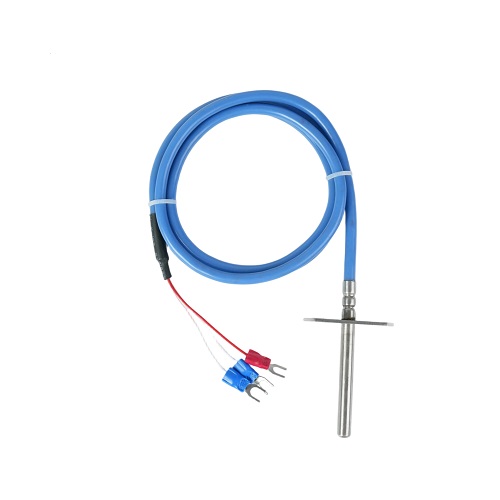 14Oct,2026Is a PT100 a Thermocouple or RTD?
When selecting an industrial temperature sensor, many buyers ask whether a PT100 is a thermocouple or an RTD. Although both PT100 sensors and thermocouples are widely used for temperature measurement, they work based on completely different principles.
-
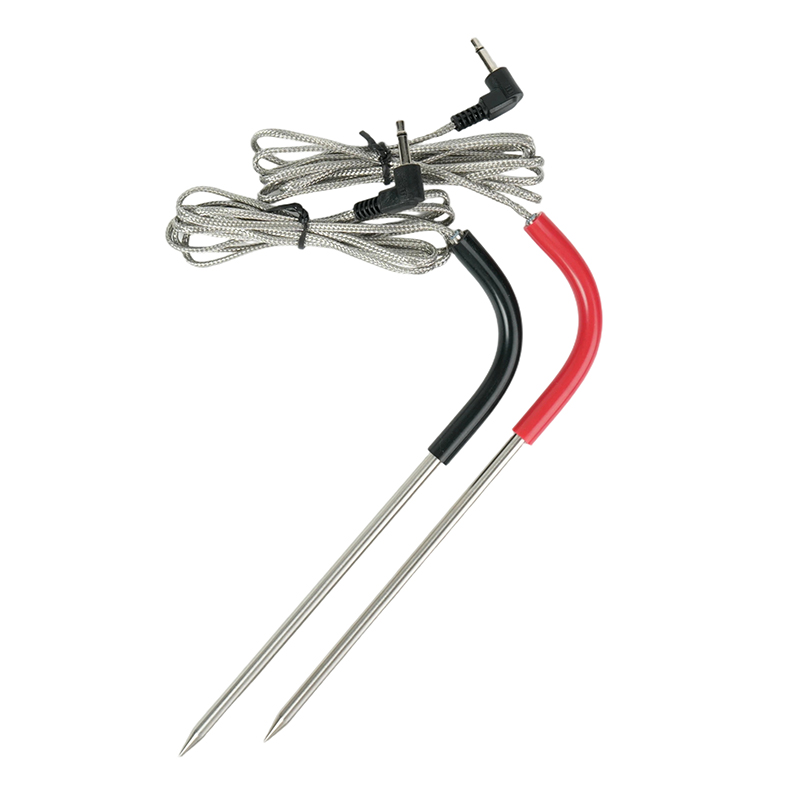 14Oct,2026What Type of Wire Is Used for RTD Sensors?
RTD sensors are widely used for accurate temperature measurement in industrial automation, HVAC systems, process equipment, and laboratory applications. The wire used for an RTD sensor plays an important role in signal transmission, measurement accuracy, and long-term reliability.
-
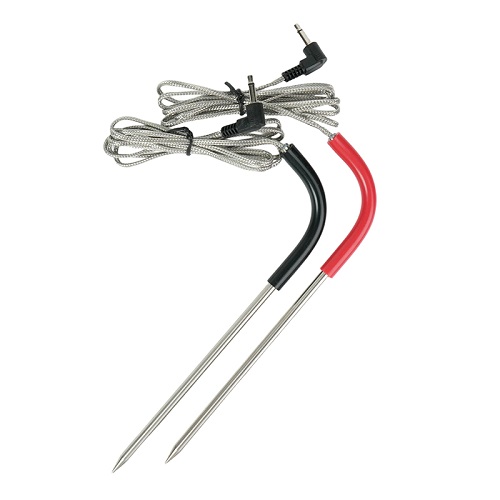 08Oct,2026Platinum RTD vs Thermistor: What's the Difference?
Platinum RTDs and thermistors are both resistance-based temperature sensors, but they have different operating characteristics and are designed for different temperature measurement requirements.
-
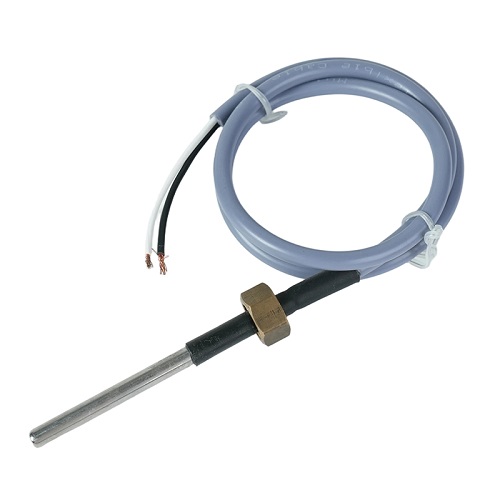 08Oct,2026How to Choose Between PT100 and PT1000?
PT100 and PT1000 are two widely used platinum RTD sensors for industrial temperature measurement. Both provide stable and accurate temperature measurement, but their resistance values, wiring requirements, signal characteristics, and application suitability are different.
-
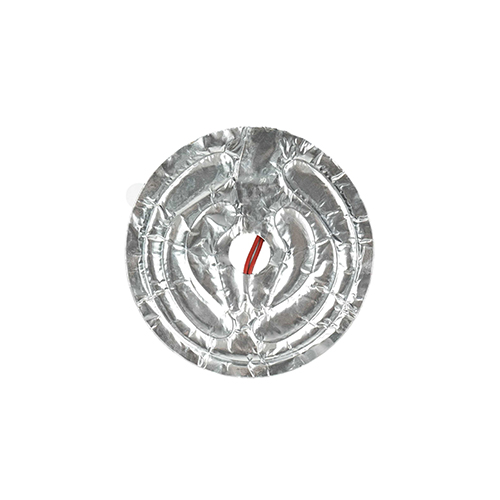 28Sep,2026How to Choose the Right Aluminum Foil for Your Application?
Choosing the right aluminum foil for an industrial application requires more than selecting a suitable thickness. Aluminum grade, temper, width, surface finish, operating temperature, electrical requirements, forming method, and installation conditions can all affect the final performance.
-
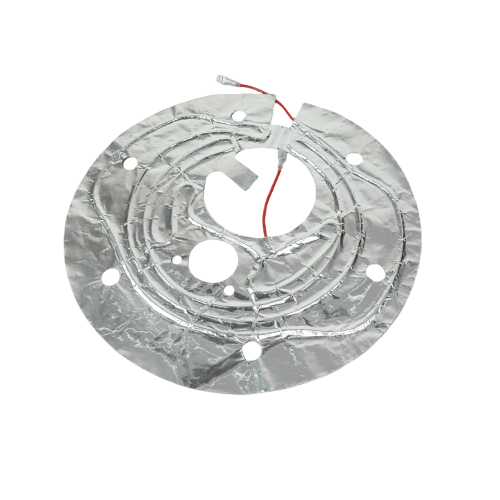 28Sep,2026What Is Aluminum Foil Used for in Industrial Applications?
Aluminum foil is a thin, lightweight metal material widely used in industrial applications because of its excellent thermal conductivity, electrical conductivity, corrosion resistance, and flexibility.
-
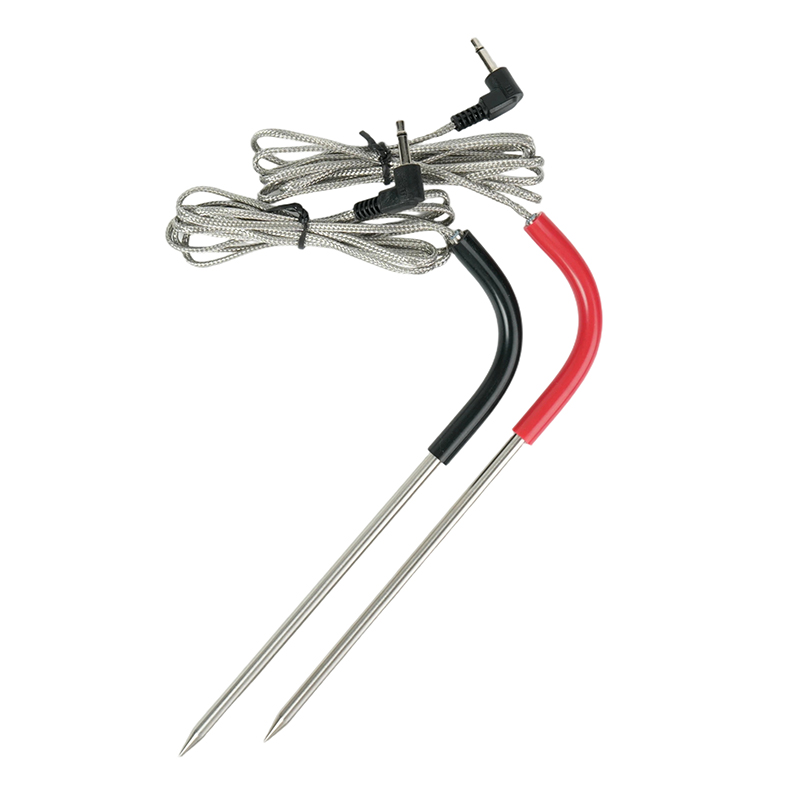 23Sep,2026Where Are RTD Sensors Used?
RTD sensors, or resistance temperature detectors, are widely used for accurate and stable temperature measurement in industrial equipment, process control systems, machinery, HVAC systems, energy equipment, and other applications.
-
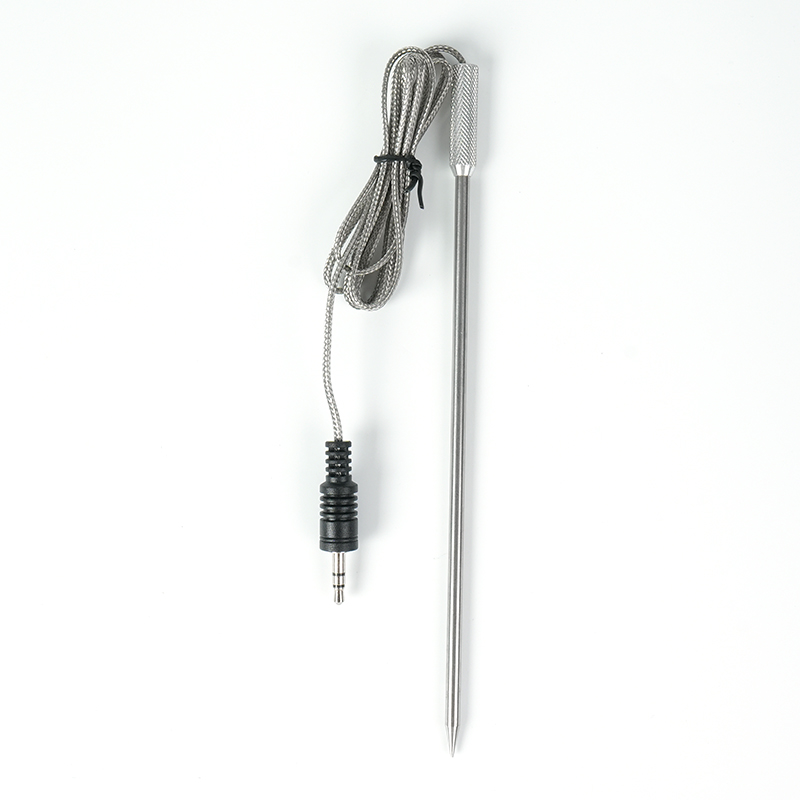 23Sep,2026What Causes RTD Sensor Failure?
RTD sensor failure can result from electrical problems, mechanical damage, excessive temperature, incorrect wiring, environmental exposure, or unsuitable installation.
-
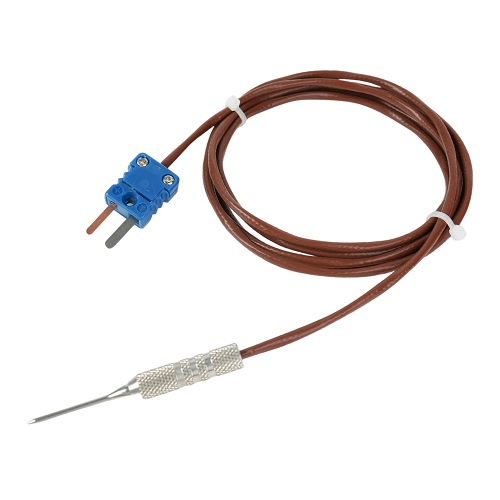 20Sep,2026How to Choose the Right Type T Thermocouple Probe for Your Application?
Choosing the right Type T thermocouple probe is important for achieving reliable and accurate temperature measurement. Although Type T thermocouples are commonly used in low-temperature applications, different working environments may require different probe materials, dimensions, junction designs, cable types, and connection methods.
-
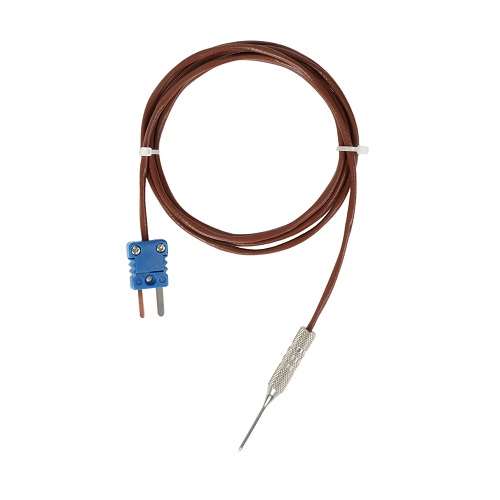 19Sep,2026What Is a Type T Thermocouple Probe?
A Type T thermocouple probe is a temperature sensor designed to measure temperature by using the voltage generated between two different metal conductors.